
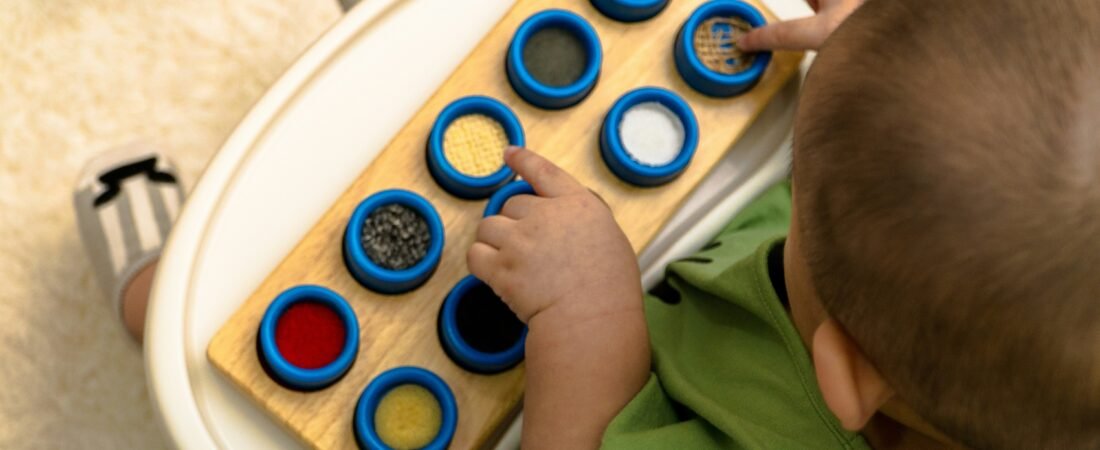
If you’ve ever handed your toddler a wooden spoon and a pot and watched them go absolutely wild for twenty minutes — congratulations, you’ve already done sensory play. You just didn’t know it had a name.
Sensory activities for toddlers are any activities that engage one or more of the five senses — touch, sight, sound, smell, and taste. And the good news? You don’t need to spend money at a specialty store or spend an hour prepping. Most of the best at home toddler activities are hiding in your kitchen cabinets right now.
Table of Contents
Why Sensory Play Actually Matters (It’s Not Just Messy Fun)
Before we get into the ideas, it’s worth knowing why sensory play keeps showing up in every early childhood development conversation.
Between ages 0 and 3, your toddler’s brain is building neural connections at a faster rate than any other time in their life. Every time they squish, pour, dig, or splash, they’re not just making a mess — they’re building pathways that support language, problem-solving, and emotional regulation.
According to Zero to Three, sensory exploration is one of the primary ways babies and toddlers make sense of the world around them. It’s how they learn cause and effect (“if I tip this cup, water goes everywhere”), and it’s also a natural way for overwhelmed or overstimulated kids to self-regulate.
In short — the mess is doing real work.
Sensory Activities for Toddlers Using Things You Already Have
These are all low-prep, low-cost, and genuinely toddler-approved.
1. Rice Bin
Fill a plastic storage bin or a deep baking dish with uncooked rice. Toss in a few scoops, measuring cups, and small toys. That’s it. Most toddlers will play with this for 20–30 minutes without any direction from you.
The texture of rice is endlessly interesting to small hands, and scooping and pouring builds the same fine motor skills that will eventually help them hold a pencil. Fair warning: you will be finding rice in weird places for days. Totally worth it.
2. Water Play
This one works in the bathtub, a plastic bin on the kitchen floor, or outside on a warm day. Fill it with water and give your toddler cups of different sizes, spoons, and a few bath toys.
Water play is one of the most open-ended at home toddler activities you can offer. Kids naturally experiment with pouring, measuring, and floating objects without needing any prompting. It’s also surprisingly calming for toddlers who are having a rough afternoon.
3. Nature Tray
Next time you’re outside, collect a few things: a smooth rock, a pine cone, a leaf, a stick, maybe some dried grass. Lay them out on a tray and let your toddler touch and explore each one.
This is a great activity for building vocabulary too. Rough, smooth, bumpy, heavy, soft — these are all words that click into place much faster when a child can feel exactly what they mean.
4. Cloud Dough
Mix 2 cups of flour with ¼ cup of baby oil and you get cloud dough — a moldable, crumbly sensory material that’s way more satisfying to squish than it has any right to be. It holds its shape when pressed but crumbles easily, which most toddlers find completely irresistible.
It’s mess-contained (mostly), easy to clean up, and you can add a little lavender oil if you want a calming scent thrown in.
5. Frozen Toys
Freeze small plastic toys or objects in a block of water overnight. Give your toddler the frozen block and some tools — a spoon, a spray bottle with warm water, a paintbrush — and let them figure out how to free the toys.
This one hits multiple senses at once: the cold temperature, the visual of seeing toys trapped inside, and the problem-solving challenge of getting them out. Older toddlers especially love the “excavation” aspect of it.
6. Texture Boards or Bags
Tape squares of different materials to a piece of cardboard — sandpaper, velvet, bubble wrap, aluminum foil, cotton balls. Let your toddler run their fingers across each one.
For a mess-free version, fill a ziplock bag with hair gel and a few small objects, seal it with strong tape, and let them push the objects around through the bag. Zero cleanup, total sensory win.
Tips for Making Sensory Play Actually Work
A few things that make these activities go more smoothly in real life:
Follow their lead. Some kids want to dive in immediately. Others need to watch for a few minutes before they’re ready to touch something new. Both are completely normal.
Stay nearby but don’t direct. It’s tempting to show them “how” to do it, but open-ended exploration is the point. Resist the urge to demonstrate and just let them experiment.
Keep it short. You don’t need a 45-minute session. Even 10 focused minutes of sensory play has real developmental value.
Embrace the mess — within reason. A splat mat under the rice bin or a towel under the water bin makes cleanup so much easier and means you’ll actually want to do these activities again.
Simple Is Better Than Perfect
The best sensory activities for toddlers aren’t the ones with the most impressive setups — they’re the ones you actually do. A bowl of dried pasta, a bin of water, a pile of leaves from your backyard. These count. They work. And your toddler doesn’t care that it took you two minutes to set up.
Start with one idea from this list this week. See what your toddler gravitates toward. Then do more of that.
That’s really all there is to it. If you’re looking for more ideas, check out our blogs here